- Copied
Programming
Can't find what you're looking for? Search Resources
Figure 1 illustrates one method of planning and programming that incorporates assessment for learning.
Assessment for learning in Mathematics is designed to enhance teaching and improve learning. It involves teachers deciding how and when to assess student achievement as they plan the work students will do, using a range of appropriate assessment strategies. Teachers provide students with opportunities to demonstrate their learning in the context of everyday classroom activities, as well as in planned assessment events.
Gathered evidence can also be used for assessment of learning at key points in the learning cycle, such as at the end of a unit of work, the end of a year or stage.
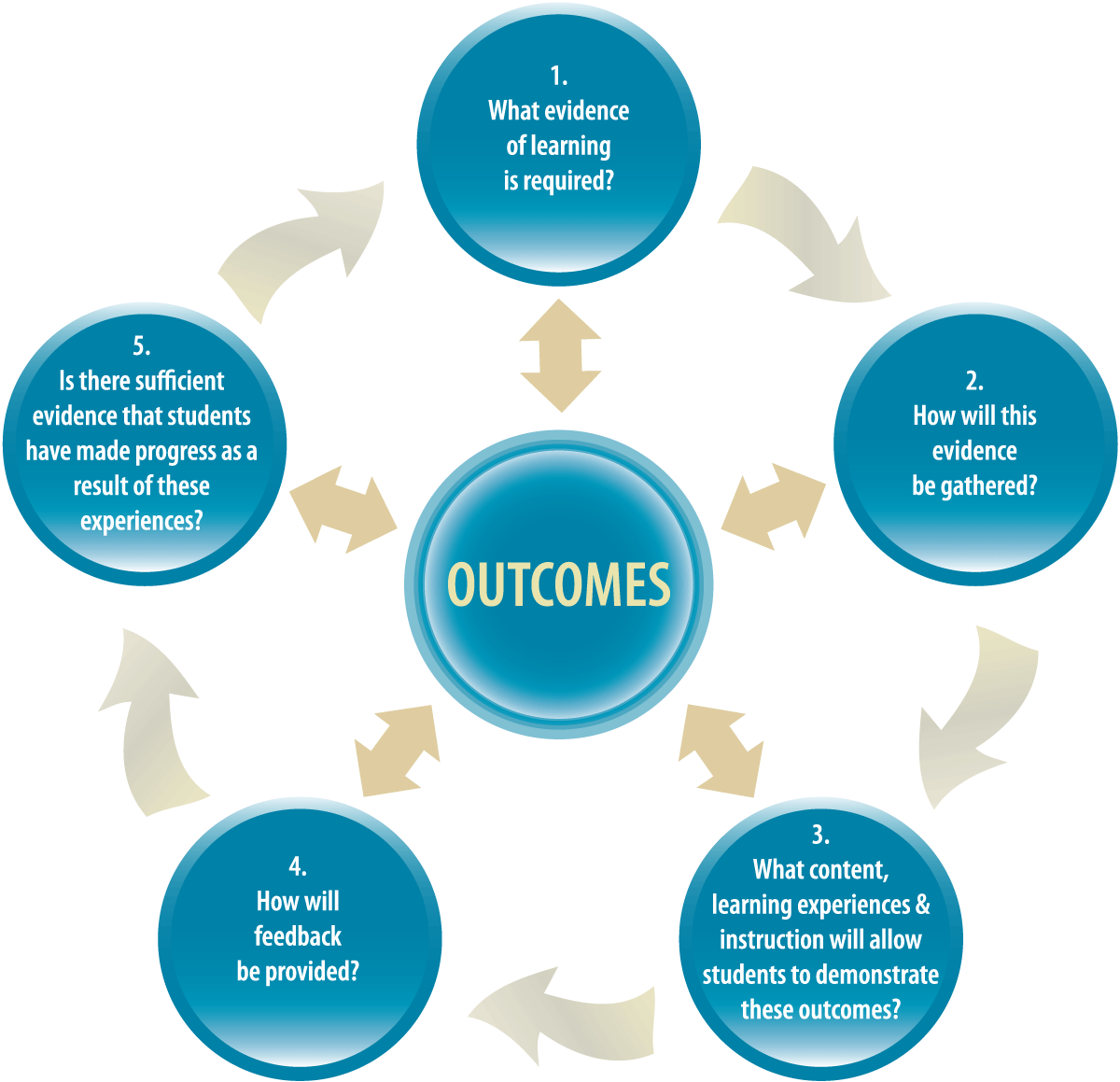
- What evidence of learning is required?
- How will this evidence be gathered?
- What content, learning experiences and instruction will allow students to demonstrate these outcomes?
- How will feedback be provided?
- Is there sufficient evidence that students have made progress as a result of these experiences?
1 Selection of outcomes
The selection of outcomes is central to programming and is based on the learning needs of individual students. As part of this process, teachers need to assess students’ prior knowledge, skills and understanding.
Outcomes to be addressed should be selected at the stage level that the student is working towards, and should include Working Mathematically outcomes. Some students with disability may access outcomes at different stages of the Mathematics syllabus according to their learning needs.
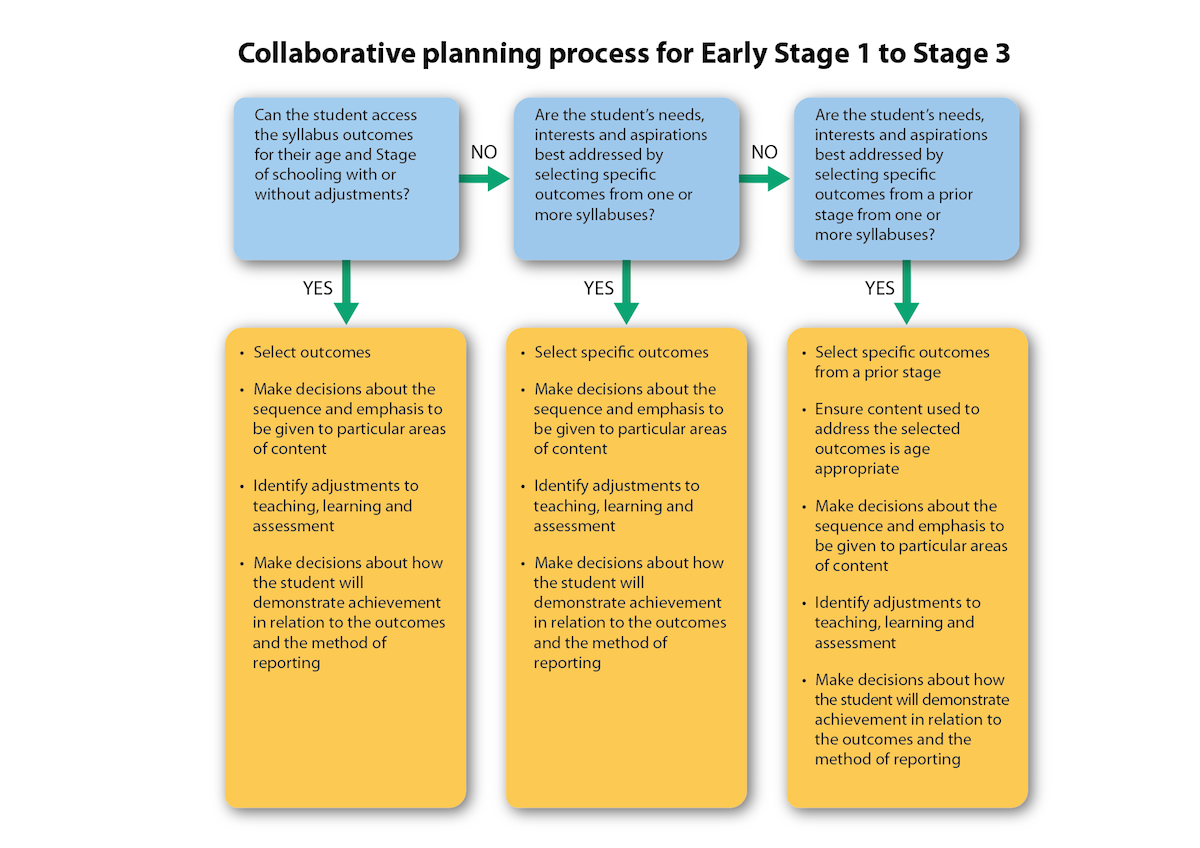
Figure 2 may assist teachers in the selection of appropriate outcomes for individual students for a unit of work.
The selection of outcomes for students with disability and the determination of adjustments required for specific units of work should be informed by the collaborative curriculum planning process.
Figure 2: Selection of outcomes
2 What content, learning experiences and instruction will allow students to demonstrate these outcomes?
Teachers plan content, learning experiences and instruction appropriate to the Mathematics syllabus outcomes.
The syllabus specifies content in relation to each outcome that may be selected according to individual student’s learning needs. Teachers design learning experiences to address the selected content and through which they can make judgements about student achievement.
It is important that teachers develop whole class programs that meet the learning needs of all students. In developing whole class programs, teachers need to consider appropriate:
- teaching strategies
- organisation of students
- adjustments to meet the learning needs of individual students.
Continue to Implementation
